
Introduction
Understanding Blackheads
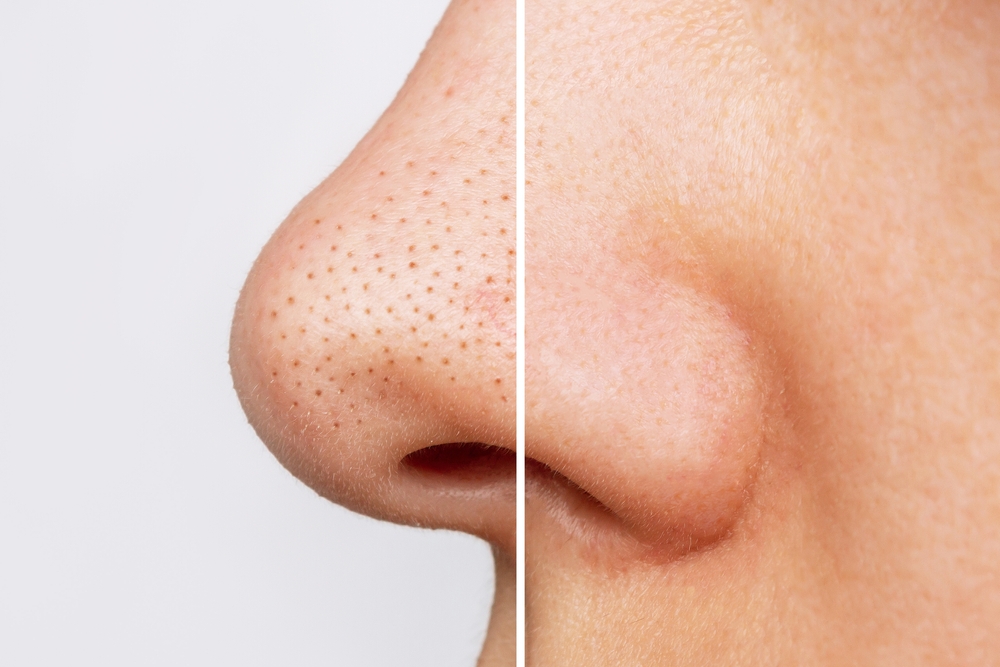
When it comes to skin concerns, blackheads are among the most common issues many individuals face. These tiny dark spots can be frustrating, but understanding what they are can be the first step toward effective treatment. Blackheads are a type of acne that forms when hair follicles become clogged with excess oil, dead skin cells, and bacteria. Unlike whiteheads, their open comedones are exposed to air, which causes the oils inside to oxidize and turn dark. The formation of blackheads often occurs due to various factors, including hormonal changes, dietary habits, and skincare routines. For instance, a friend once mentioned her battle with blackheads after switching her skincare products. As exciting as new products can be, they often introduce ingredients that may clog the pores. To effectively confront this pesky issue, it's essential to know where blackheads commonly appear.
Common Areas Blackheads Occur
Blackheads can manifest on several areas of the body, but they are most prevalent in the following regions:
- Nose: This area is notorious for accumulating oil, making it a prime spot for blackheads.
- Chin: Hormonal changes can lead to increased oil production, often resulting in blackheads accumulating here.
- Forehead: Another high-oil zone, blackheads can thrive on the forehead, especially if hair products or sweat contribute to clogged pores.
Understanding these common areas can help individuals adopt targeted skincare practices to keep blackheads at bay. The goal is to maintain clean and healthy skin, thereby reducing the risk of these unwanted blemishes. With the right knowledge and routine, combating blackheads becomes much easier.

Causes of Huge Blackheads
Excess Sebum Production
As discussed earlier, understanding the formation of blackheads is crucial in managing them effectively. One of the primary causes of huge blackheads is excess sebum production. Sebum is the natural oil produced by glands in the skin to keep it moisturized. However, when the body overproduces this oil, it can lead to clogged pores. For example, a co-worker once shared her experience of suddenly developing larger blackheads during a particularly stressful period at work. Stress can trigger hormonal fluctuations that elevate sebum production. Here are some factors that contribute to excess sebum production:
- Hormonal Changes: Fluctuations during puberty, menstruation, or hormonal therapies can lead to an increase in oil production.
- Diet: High glycemic index foods, such as sugary snacks and processed carbohydrates, can exacerbate oiliness.
- Climate: Humid or hot weather often leads to increased oil flow, amplifying the risk of clogged pores.
Clogged Pores
Once excess oil is present, the next step in the formation of huge blackheads is clogged pores. When the oil combines with dead skin cells, it creates a blockage that prevents the hair follicle from functioning normally. This is where blackheads take shape. It's essential to understand the common culprits behind clogged pores, which often include:
- Dead Skin Cells: If not properly exfoliated, these cells can accumulate and block pores.
- Makeup Residue: Failing to thoroughly remove makeup at the end of the day can lead to potential build-up.
- Skin Care Products: Oils and heavy creams can sometimes exacerbate the problem, especially if they’re not non-comedogenic.
Grasping the causes of huge blackheads is a key step in prevention and treatment. By addressing both excess sebum production and clogged pores, individuals can work toward healthier skin with fewer issues in the future.

Identifying Huge Blackheads
Size and Appearance
Now that the causes of huge blackheads have been explored, it’s important to understand how to identify them. The size and appearance of blackheads can greatly vary, but huge blackheads are typically more pronounced.
- Size: Unlike regular blackheads, which may be small and barely noticeable, huge blackheads often measure at least 2-3 millimeters in diameter.
- Color: They commonly display a dark, almost black head due to the oxidation of the trapped oil and debris as it’s exposed to air.
- Texture: When touched, they might feel slightly raised compared to the surrounding skin, providing a distinct feeling that sets them apart.
A friend of mine dealt with huge blackheads on her nose that would become inflamed and painful at times. This experience led her to closely observe their characteristics, allowing her to adopt a more targeted skincare approach.
Differentiation from Other Skin Issues
Knowing how to differentiate huge blackheads from other skin issues is key to effective treatment. Other common skin concerns that can be confused with blackheads include:
- Whiteheads: Unlike blackheads, whiteheads are closed comedones that appear as small, flesh-colored bumps. They don’t oxidize and thus remain white or yellowish.
- Pustules: These are often filled with pus and can be inflamed, while blackheads are not typically tender or red.
- Sebaceous Cysts: Cysts are firm to the touch and can be more significantly raised than blackheads. They often require medical attention for removal.
Recognizing the unique features of huge blackheads and how they differ from other skin conditions can guide individuals to the most appropriate treatment strategies. By enhancing awareness and knowledge, skin health can be improved significantly.

Risks and Complications
Infection
Having huge blackheads can pose certain risks beyond just their appearance. One of the primary concerns is the potential for infection. When blackheads are manipulated—either through squeezing, picking, or accidental trauma—they can create an opening for bacteria to enter the skin. This risk can lead to:
- Pustules: What starts as a blackhead can quickly develop into a painful pustule if bacteria invade and cause inflammation.
- Abscesses: In some cases, an infection can worsen, resulting in an abscess, which is a painful collection of pus requiring medical treatment.
A personal experience taught me the importance of avoiding the temptation to squeeze blackheads. A relative of mine suffered from painful cystic acne after aggressively picking at their blackheads, leading to a prolonged period of recovery and medical assistance. This reinforces the need for careful handling of skin issues.
Damage to Skin
Alongside the risk of infection, huge blackheads can also result in damage to the skin. Persistent blackheads can lead to:
- Hyperpigmentation: After inflammation subsides, darker spots can remain on the skin, making it appear uneven and less radiant.
- Scarring: Aggressively trying to remove blackheads can break the skin, leading to scars that might last long after the blackhead is gone.
Many individuals fear that these lasting effects could impact their confidence, particularly in social settings. A colleague once shared her struggle with post-acne scars that emerged after years of dealing with stubborn blackheads. She emphasized the importance of addressing the issue gently to avoid long-term damage. Being aware of the risks and complications associated with huge blackheads is vital. Understanding these challenges can empower individuals to adopt more effective handling strategies and preventive measures, fostering healthier skin over time.

Prevention of Huge Blackheads
Proper Skincare Routine
Now that the risks and complications of huge blackheads have been highlighted, focusing on prevention is crucial. One of the most effective ways to keep huge blackheads at bay is through a proper skincare routine. A consistent regimen not only helps in managing current skin issues but also prevents future breakouts. Here are some key components to consider:
- Cleansing: Use a gentle, non-comedogenic cleanser twice daily to remove dirt and excess oil without stripping the skin's natural moisture.
- Exfoliation: Incorporate chemical exfoliants like salicylic acid or glycolic acid 1-2 times a week. These help to remove dead skin cells and prevent clogged pores.
- Moisturizing: Even oily skin needs hydration! Opt for lightweight, oil-free moisturizers that won’t clog pores.
A personal success story revolves around a friend who struggled with blackheads for years. After sticking to a dedicated skincare routine and being consistent with her products, she noticed fewer blackheads and a healthier-looking complexion.
Avoiding Certain Products
In addition to establishing a good skincare routine, avoiding specific products can be just as important. Some ingredients are known to exacerbate blackhead formation:
- Heavy Oils and Waxes: Products with these ingredients can clog pores, leading to more blackheads.
- Alcohol-based Toners: While they may seem effective at removing oil, they can also cause dryness, prompting the skin to produce more oil in response.
- Comedogenic Ingredients: Be wary of products labeled as comedogenic, which means they are more likely to clog pores.
A family member learned this lesson the hard way after using a new, heavily fragranced moisturizer. Within days, her skin reacted with an influx of blackheads, proving the importance of checking labels. Focusing on a thoughtful skincare routine and being mindful of product ingredients not only helps prevent huge blackheads but also promotes overall skin health. Taking these proactive steps can lead to radiance and confidence, transforming the way individuals view their skin.
Treatment Options
Home Remedies
Having explored how to prevent huge blackheads, it's also essential to consider treatment options once they do appear. For those who prefer a natural approach, home remedies can offer relief and help diminish blackheads effectively. Here are a few popular options:
- Baking Soda: A gentle exfoliant, baking soda can help unclog pores. Mix it with water to create a paste, apply it to the affected areas, and rinse after a few minutes.
- Honey and Lemon: Both ingredients act as natural disinfectants. Mix equal parts and apply to the blackheads. Leave it on for about 10-15 minutes before rinsing off.
- Steam Treatment: Steaming your face opens up pores, making it easier to remove impurities. Just be cautious not to get too close to avoid burns.
I once tried the honey and lemon mixture after struggling with blackheads around my chin and was pleasantly surprised by its efficacy. It left my skin feeling fresh and helped loosen some of the blocked pores.
Professional Treatments
While home remedies can be effective, sometimes, seeking professional treatments is necessary, especially for stubborn blackheads. Dermatologists offer several options that can yield faster and more dramatic results:
- Chemical Peels: These use acids to exfoliate the skin deeply, reducing blackheads significantly.
- Microdermabrasion: A dermatologist uses a special device to remove dead skin cells, promoting new skin growth and minimizing blackheads.
- Extraction: A skilled professional can safely extract blackheads without risking skin damage or infection.
A close friend of mine visited a dermatologist for persistent blackheads that home remedies couldn't touch. The extraction and subsequent treatment left her skin feeling rejuvenated, proving that professional help can be a game-changer. Ultimately, whether opting for home remedies or professional treatments, individuals can find effective solutions for managing huge blackheads. Balancing both approaches often leads to the best results, promoting a clearer, healthier complexion.

Do's and Don'ts for Blackhead Removal
Proper Extraction Techniques
After exploring various treatment options for huge blackheads, it's vital to focus on the do's and don'ts when it comes to blackhead removal. Handling the extraction process correctly can make a significant difference in achieving clear skin without causing damage. Do's:
- Make Sure Your Hands Are Clean: Before attempting any extraction, clean your hands thoroughly to minimize the risk of introducing bacteria to your skin.
- Use a Comedone Extractor: This tool is specifically designed for blackhead removal. Ensure it's sterile before usage to prevent infections.
- Apply Gentle Pressure: When using an extractor, apply even pressure on either side of the blackhead to avoid bruising or damaging the surrounding skin.
- Follow Up with a Cleanser: After extraction, cleanse the area again to remove any lingering oil and dirt.
I recall trying to extract a blackhead without any tools, and it ended up causing more harm than good. Learning proper techniques not only made the process more effective but also less painful.
Common Mistakes to Avoid
Being aware of common mistakes can protect the skin from unnecessary damage. Here are a few pitfalls to steer clear of:
- Popping with Fingers: Using your fingers can transfer oils and bacteria, leading to inflammation or infections.
- Squeezing Too Hard: This can cause skin damage and scarring. If a blackhead doesn't come out easily, it's best to leave it alone.
- Ignoring Aftercare: After extraction, neglecting to soothe or treat the area can increase the risk of breakouts.
- Over-extraction: Trying to remove too many blackheads at once can irritate the skin, leading to redness and swelling.
Successfully managing blackheads involves both understanding proper techniques and avoiding missteps. By following these do's and don'ts, individuals can enjoy smoother skin and diminish the risk of future breakouts while appreciating their progress along the way.

Consulting a Dermatologist
When to Seek Professional Help
After diligently trying various home remedies and following proper extraction techniques, there may come a time when seeking professional help becomes necessary. Knowing when to consult a dermatologist can help prevent further skin troubles and save time in your skincare journey. Here are some indicators that it’s time to make that appointment:
- Persistent Blackheads: If blackheads remain despite consistent skincare efforts, it may be time to seek a dermatologist’s expertise.
- Inflammation or Pain: If blackheads become red, inflamed, or painful, it can signal an infection or more severe skin condition.
- Scarring or Hyperpigmentation: If you notice scars developing around your blackheads or experience dark spots after extractions, professional intervention can help minimize damage.
A family member struggled with persistent blackheads that escalated into painful cystic acne. After seeing a dermatologist, a treatment plan involving chemical peels transformed her skin and renewed her confidence.
Importance of Professional Guidance
Consulting a dermatologist provides numerous benefits, making it a critical step in addressing blackheads effectively. Experts can offer tailored advice based on your skin type and specific concerns:
- Targeted Treatments: Dermatologists can recommend treatments tailored to your unique skin, from prescription medications to professional procedures.
- Advanced Techniques: Professionals have access to tools and technologies that can achieve results that are challenging to replicate at home, such as laser therapy or chemical peels.
- Education on Skincare: A dermatologist can help you understand your skin’s needs better, guiding you through the dos and don’ts of skincare to prevent future issues.
Through a blend of personalized care and expertise, consulting a dermatologist can ultimately lead to clearer skin and a more informed approach to skincare. Prioritizing professional guidance not only addresses immediate concerns but also plays a pivotal role in establishing a long-term healthy skincare routine.
Lifestyle Changes for Blackhead Prevention
Diet and Hydration
As the journey toward clear skin continues, it's vital to recognize that lifestyle changes can significantly impact blackhead prevention. One of the first areas to consider is diet and hydration. The foods we consume can either promote healthy skin or trigger breakouts. For example, a balanced diet rich in fruits, vegetables, and whole grains can help keep skin healthy. Foods to focus on include:
- Antioxidant-Rich Foods: Berries, spinach, and nuts can combat oxidative stress, promoting skin health.
- Omega-3 Fatty Acids: Fish, flaxseeds, and walnuts can help reduce inflammation within the body, which is beneficial for acne-prone skin.
- Hydration: Drinking plenty of water throughout the day is crucial. Aim for at least 8 glasses daily to keep the skin plump and reduce oil buildup.
A personal insight comes from a friend who noticed a significant improvement in her skin after shifting to a cleaner diet and increasing her water intake. It reinforced the idea that what we put into our bodies reflects on our skin.
Managing Stress Levels
In addition to diet, managing stress levels is another critical factor in preventing blackheads. Stress can trigger hormonal fluctuations that increase oil production, leading to clogged pores. Here are some effective ways to manage stress:
- Regular Exercise: Engaging in physical activity releases endorphins, promoting a sense of well-being and reducing stress.
- Mindfulness Practices: Techniques like yoga or meditation can help center the mind and decrease anxiety levels.
- Adequate Sleep: Prioritizing good sleep hygiene is essential as lack of sleep can lead to heightened stress and, consequently, skin issues.
I recall a challenging period during final exams at school when stress visibly affected my skin. Integrating daily yoga brought balance and a noticeable improvement in my complexion. By incorporating these lifestyle changes—focusing on a nutritious diet, staying hydrated, and managing stress—individuals can create a proactive approach to blackhead prevention. Embracing these habits not only supports skin health but also enhances overall well-being.

Final Thoughts
Embracing Natural Skin
As the journey toward clear skin concludes, it’s essential to embrace the skin you have, imperfections and all. The quest for flawless skin can often lead to frustration, but finding a sense of acceptance can be liberating. Acknowledging that everyone has unique skin types and challenges allows individuals to cultivate a positive self-image. For instance, I have learned to appreciate my skin's natural texture and occasional flaws. Instead of striving for perfection, I focus on maintaining a healthy glow through consistent skincare. Here are some key takeaways for embracing natural skin:
- Celebrate Your Uniqueness: Remember that everyone has blackheads, pimples, or other skin issues at times. It’s all part of being human.
- Invest in Gentle Care: Rather than harsh treatments, opt for gentle and nourishing products that respect the skin’s natural barriers.
- Be Patient: Healthy skin takes time to achieve. Recognizing that results won’t happen overnight can help ease anxiety.
Seeking Ongoing Care
Ongoing care is crucial in maintaining skin health. The strategies discussed throughout this article, from proper skincare routines to lifestyle changes, are essential for achieving and maintaining clear skin. Regularly assessing skincare habits and being open to adjustments can significantly impact skin health.
- Routine Check-ins: Schedule periodic appointments with a dermatologist, even when skin appears clear, to keep tabs on any potential issues.
- Stay Informed: Keep up with the latest skincare trends, but focus on what works best for your unique skin.
- Self-Care: Prioritize self-care routines that nourish both the skin and the mind.
A childhood friend of mine who struggled with chronic acne found immense relief after incorporating routine professional care coupled with at-home routines. This balanced approach not only improved her skin but also boosted her confidence. By embracing natural skin and committing to ongoing care, individuals can foster a healthy relationship with their skin. This journey is about more than just aesthetics; it’s about self-acceptance and holistic well-being.