Introduction
Understanding Blackheads
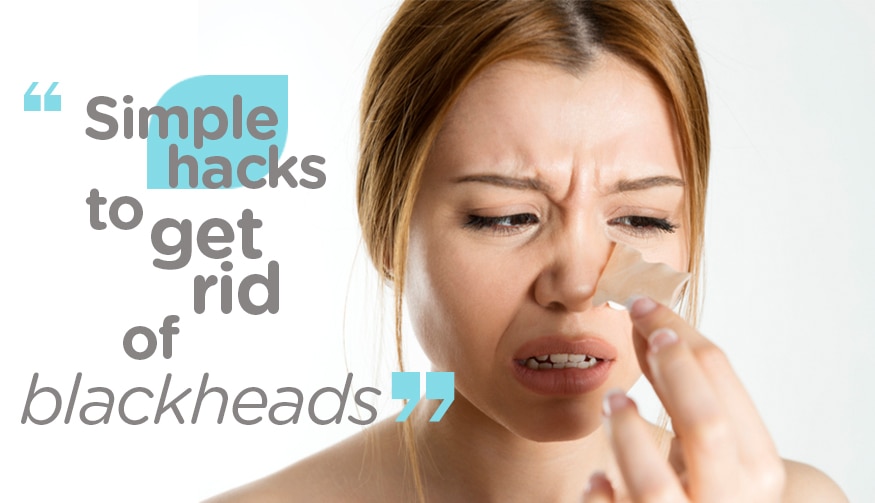
Blackheads are a common skin issue that many of us face at some point in our lives. I remember my first encounter with blackheads in my teenage years when those pesky little dots started appearing across my nose and forehead. It made me self-conscious; I often wondered if anyone else noticed them as much as I did. So what exactly are blackheads? Scientifically, they are a form of acne that occurs when hair follicles become clogged with excess oil, dead skin cells, and bacteria. When the clogged pore is open to the air, oxidation happens, and that’s what gives blackheads their dark appearance. Unlike the inflamed version of acne, known as whiteheads or pustules, blackheads are non-inflammatory. They sit on the skin’s surface and can vary in size from small specks to larger formations that some of us affectionately refer to as "giant blackheads." Notably, these nuisances can appear anywhere on the body but tend to thrive in areas with high concentrations of sebaceous glands, such as the face, back, and chest. As someone who’s dealt with them before, I can confirm that understanding how they develop is the first step toward effective management and prevention.
Impact of Blackheads on the Skin
The presence of blackheads can have varying impacts on both the aesthetic and emotional aspects of our lives. For me, the journey of dealing with them sometimes influenced my confidence, especially during those high school years. But the impact of blackheads extends beyond mere appearance; it can affect how we feel about ourselves and how we interact socially. Here's a breakdown of the impacts blackheads can have:
- Physical Appearance:
- Blackheads can create an uneven skin tone and texture.
- They might be less noticeable on certain skin types but can create a duller look on oily skin.
- Emotional Well-being:
- Many people, like myself at one point, may feel insecure because of their blackheads.
- This insecurity can lead to social anxiety or even avoidance of events where they want to look their best.
- Skin Health:
- If not treated, blackheads can lead to further more severe acne situations, leading to potential scars.
- They can also make it difficult for other skincare products to penetrate and work effectively.
- Time and Money:
- Maintaining a routine to manage blackheads can be time-consuming. I often found myself investing in numerous products that promised to clear them up.
- It can also lead to spending money on professional treatments like facials or microdermabrasion.
- Chronic Condition:
- For some, blackheads become a chronic issue that requires ongoing management. This realization can be frustrating and exhausting.
Understanding the nature and impact of blackheads lays the groundwork for effective prevention and treatment strategies. It’s all about finding what works best for your skin while remembering that you’re not alone in navigating this journey. Just like any skin concern, addressing blackheads is not a quick fix but a continuous process of care and patience. In the next sections, we’ll delve into what causes giant blackheads specifically and discuss ways to manage them effectively. I hope that by sharing my experiences and knowledge, you too will feel empowered to tackle this common skin concern.

Causes of Giant Blackheads
Understanding the causes of giant blackheads is essential in your journey to clearer skin. After dealing with these unwelcome visitors for years, I’ve learned that knowledge is power when it comes to prevention and treatment. To make things easier, let’s dive into two of the primary culprits: excessive sebum production and improper skincare routines.
Excessive Sebum Production
Sebum is the natural oil produced by our skin’s sebaceous glands, and it plays a crucial role in keeping our skin moisturized. However, when our bodies produce too much sebum, it can lead to clogged pores that often result in blackheads. I remember one particularly stressful time in my life when I noticed an increase in blackheads, and I quickly connected the dots to my anxiety-driven oiliness. Here are some factors that could lead to excessive sebum production:
- Hormonal Changes:
- During puberty, menstruation, pregnancy, or even stress, our hormone levels fluctuate, causing sebaceous glands to produce increased amounts of oil.
- For me, tracking my cycle helped me understand the ebb and flow of my skin's oiliness, making me more prepared for those pesky breakouts.
- Diet:
- Consuming high-glycemic foods like sugary snacks and refined carbs can lead to spikes in insulin, which may trigger an increase in sebum production.
- I noticed that after a weekend of indulging in junk food, my skin would often breakdown into a battlefield of blackheads.
- Genetics:
- Sometimes, it’s just in our DNA! If oily skin runs in your family, you might have a natural tendency for overactive oil production.
- I have friends whose families boast glowing skin, while mine seems to be working overtime to keep the oil flowing.
As you see, excessive sebum production plays a significant role in forming giant blackheads. Identifying which factors apply to you can help tailor your approach to managing them effectively.
Improper Skincare Routine
Now let’s talk about the role of our skincare routines. An improper skincare routine can exacerbate sebum production and contribute to the buildup of dirt and debris in our pores. Trust me, I’ve learned this the hard way. I’ve tried numerous products over the years, sometimes forgetting that less is more. Here are some common pitfalls to avoid in your skincare routine:
- Using Heavy, Comedogenic Products:
- Some skincare and makeup products may clog pores. Learning to read labels is key. Look for terms like “non-comedogenic” or “oil-free.”
- I used to love thick creams that felt luxurious but often ended up with giant blackheads as a result.
- Infrequent Exfoliation:
- Exfoliating helps remove dead skin cells that can contribute to clogged pores. Not exfoliating regularly can cause buildup and ultimately lead to bigger blackheads.
- I found that incorporating a gentle exfoliating scrub or chemical exfoliant into my routine made a meaningful difference.
- Over-Exfoliation:
- While exfoliating is important, overdoing it can strip your skin of essential oils, prompting your body to produce even more sebum to compensate.
- I learned this through a phase where I thought scrubbing my skin raw would give me the clear complexion I sought—it did quite the opposite!
- Neglecting Moisturization:
- Many people think that oily skin doesn’t need moisturizer, but that’s not true. Skipping this step can lead your skin to overcompensate with oil production.
- A lightweight, hydrating gel or lotion worked wonders for me in balancing my skin.
Understanding the causes of giant blackheads paves the way for effectively addressing them. By paying attention to sebum production and being mindful of our skincare routines, we can take meaningful steps toward clearer, healthier skin. Next, we'll explore how we can prevent giant blackheads from forming in the first place. Stay tuned!

How to Prevent Giant Blackheads
Having gained insights into the causes of giant blackheads, I’m now excited to share effective strategies for prevention. After years of battling these stubborn spots, I’ve found that integrating specific practices into my daily routine truly makes a difference. Let’s dive right into two essential methods: regular exfoliation and using non-comedogenic products.
Regular Exfoliation
Exfoliation is one of the most critical steps in maintaining clear skin and preventing blackheads from forming. It involves removing dead skin cells from the surface, which can clog pores and lead to those pesky blackheads. I’ll never forget how revitalizing my skin felt after incorporating a consistent exfoliation routine—like removing a layer of grime that had been holding me back! When it comes to exfoliation, there are two primary types to consider:
- Physical Exfoliants:
- These involve scrubs or tools that manually slough off dead skin. I remember using a gentle scrub with tiny, natural particles that effectively polished my skin without being too harsh.
- Suggested products to explore:
- Sugar scrubs
- Coffee grounds
- Exfoliating gloves
- Chemical Exfoliants:
- Utilizing ingredients like alpha hydroxy acids (AHAs) and beta hydroxy acids (BHAs) can help dissolve the bonds between dead skin cells. I’ve found that salicylic acid, a BHA, works wonders for oily skin, penetrating deep into pores.
- Popular chemical exfoliants include:
- Glycolic acid (AHA)
- Lactic acid (AHA)
- Salicylic acid (BHA)
How Often to Exfoliate:
- It’s essential to find a balance. For my skin, exfoliating 2-3 times a week has proven effective.
- Be cautious not to over-exfoliate, as this can irritate the skin and lead to increased oil production, which brings us back full circle to the formation of blackheads.
Exfoliation Tips:
- Always follow up with a moisturizer after exfoliating, as this helps to hydrate the skin and reduce irritation.
- Use a sunscreen daily, especially after exfoliating, as the skin may be more sensitive to UV rays.
Using Non-Comedogenic Products
What we put on our skin matters greatly. While experimenting with different creams, serums, and makeup, I learned the hard way that certain products can exacerbate oiliness and contribute to blackhead formation. This realization led me to prioritize using non-comedogenic products to help keep my skin clear. So, what does "non-comedogenic" mean? It refers to products that won’t clog your pores. Here’s how you can choose wisely:
- Read Labels:
- Always look for products marked as non-comedogenic, especially cleansers, moisturizers, and makeup. For instance, many of my favorite lightweight foundations are labeled as such.
- Opt for Oil-Free Formulas:
- Oil-free moisturizers and sunscreens can provide hydration without adding excess oil to your skin. I switched to an oil-free gel moisturizer, and it made a world of difference in how my skin felt throughout the day.
- Be Mindful of Ingredients:
- Pay attention to the ingredient list. Products with natural oils, such as coconut oil or mineral oil, can clog pores on some skin types. Instead, look for lightweight oils like jojoba or squalane that mimic skin’s natural oils.
- Trial and Error:
- It can take time to find the right products that work for your unique skin. I experienced a bit of trial and error, but once I discovered my holy grail items, the results were worth it!
By committing to regular exfoliation and using non-comedogenic products, you’ll be taking vital steps toward preventing giant blackheads from invading your skin. These practices not only promote clearer skin but also contribute to overall skin health. Next, we’ll explore some effective home remedies to combat those giant blackheads. Stay tuned as we work together towards achieving that healthy glow!

Home Remedies for Giant Blackheads
With a solid understanding of how to prevent giant blackheads through regular exfoliation and non-comedogenic products, it’s time to dive into effective home remedies to help combat those stubborn spots. I’ve tried many methods over the years, but two of my favorites that have consistently delivered great results are steam therapy and clay masks. Let’s explore how you can incorporate these into your skincare routine!
Steam Therapy
Steam therapy is one of the simplest and most relaxing home remedies you can try. I distinctly remember the first time I used steam to tackle my blackheads. It was like giving my skin a much-needed mini spa day! Steam opens up your pores and softens the buildup of oil, dirt, and dead skin, making it easier to extract blackheads and prevent new ones from forming. How to Perform Steam Therapy:
- Gather Materials:
- Boil water in a kettle or pot.
- You can enhance the experience by adding herbs or essential oils like eucalyptus or lavender for their soothing properties.
- Set Up:
- Once boiling, remove the pot from heat, and let it cool down slightly.
- Position yourself over the pot, draping a towel over your head to trap the steam. Aim to keep a distance of about 12 inches to avoid burns.
- Enjoy the Benefits:
- Allow the steam to envelop your face for about 5-10 minutes. Breathe deeply and relax—this is self-care time!
- I usually play some calming music during this step to make it feel more indulgent.
- Follow Up:
- After steaming, gently cleanse your face and use a mild exfoliator if necessary.
- Apply a toner to help tighten your pores and finish with a lightweight moisturizer to lock in hydration.
Tips for Steam Therapy:
- Try steam therapy 1-2 times a week for maintained effectiveness.
- Be cautious if you have sensitive skin or conditions like rosacea, as steam can sometimes aggravate irritation.
Clay Masks
If there’s one treatment that never fails to impress me, it’s the power of clay masks. After trying various types, I discovered that clay masks effectively draw out impurities and excess oil from the skin, making them a go-to remedy for blackhead troubles. Plus, there’s something satisfying about applying a mask and letting it work its magic! Choosing the Right Clay Mask:
- Bentonite Clay: Excellent for detoxifying the skin and absorbing excess oil.
- Kaolin Clay: Gentle and suitable for sensitive skin while still helping to cleanse pores.
- French Green Clay: Known for its powerful absorption properties and can help tighten the skin.
How to Use a Clay Mask:
- Preparation:
- Start with clean skin. I prefer to steam my face first, allowing the mask to penetrate better.
- Mix the clay with water or apple cider vinegar to form a thick paste. Apple cider vinegar can add extra antibacterial properties, but I always make sure to patch test first to avoid irritation.
- Application:
- Apply the mask evenly across your face, focusing on areas with blackheads. I love applying it over my nose and forehead, where most of my stubborn spots tend to appear.
- Wait and Rinse:
- Let the mask dry for about 10-15 minutes. You’ll notice it tightening, which is a good sign!
- Rinse it off with warm water, and I always follow up with a cool splash to help close my pores.
Tips for Using Clay Masks:
- Aim to use a clay mask once a week for best results.
- Always moisturize afterward, as clay masks can sometimes be drying. I usually opt for a lightweight, hydrating product to keep my skin balanced.
By incorporating steam therapy and clay masks into your routine, you can effectively tackle those giant blackheads while indulging in some well-deserved self-care. These home remedies not only help clear away impurities but also support that radiant glow we all strive for. Up next, we’ll explore some skincare products specifically designed to treat giant blackheads. Stick around as we continue on this journey to clear skin!

Skincare Products for Treating Giant Blackheads
As we've navigated through various home remedies like steam therapy and clay masks, it's now time to focus on specific skincare products that can aid in treating giant blackheads effectively. Over the years, I’ve learned that the right products can significantly enhance my skincare routine and help maintain clear skin. Two standout categories that I often turn to are salicylic acid cleansers and retinol serums. Let’s dive into these powerhouse products and how they can benefit your skincare regimen!
Salicylic Acid Cleansers
Salicylic acid is a beta hydroxy acid (BHA) celebrated for its ability to penetrate the pores and exfoliate from within. When I first discovered salicylic acid, it was a game-changer! My skin felt refreshed, and I noticed a visible reduction in the number of blackheads after a few weeks of regular use. Benefits of Salicylic Acid Cleansers:
- Deep Cleaning: Salicylic acid dissolves excess oil and dead skin cells, preventing clogged pores and reducing blackhead formation.
- Anti-Inflammatory Properties: This ingredient helps calm redness and irritation, making it great for those like me who sometimes struggle with active breakouts.
- Prevention of Acne: Regular use can help prevent future breakouts by keeping the pores clear.
How to Use a Salicylic Acid Cleanser:
- Choose the Right Product: Look for a cleanser with a concentration of 0.5% to 2%. I personally love using one that balances effectiveness without being too harsh.
- Apply on Wet Skin: Wet your face with lukewarm water, then massage the cleanser gently into your skin for 30-60 seconds.
- Rinse Well: Make sure to rinse thoroughly to remove any residue. I often follow up with a gentle toner.
Recommended Salicylic Acid Cleansers:
- CeraVe Renewing SA Cleanser: A creamy cleanser that hydrates while exfoliating.
- Neutrogena Oil-Free Acne Wash: A classic option that effectively cleans while targeting excess oil.
Usage Tips:
- I use my salicylic acid cleanser 2-3 times a week in the evenings, especially after wearing makeup or sunscreen throughout the day.
- Be cautious not to overuse, as it can lead to dryness. Always follow up with a moisturizer!
Retinol Serums
Retinol, a derivative of vitamin A, is often hailed as the golden standard in skincare. I started incorporating retinol into my routine a couple of years ago, and it’s been fantastic for overall skin texture and toning down those stubborn blackheads. Benefits of Retinol Serums:
- Cell Turnover: Retinol accelerates cell turnover, helping to shed dead skin more effectively, leading to fewer blackheads.
- Collagen Production: Regular use can enhance collagen synthesis, improving skin texture and elasticity over time.
- Reduces the Appearance of Pores: By preventing clogged pores, retinol can help reduce their size, leading to smoother skin.
How to Use Retinol Serum:
- Start Slow: When I first started using retinol, I began with a lower concentration (0.25% or 0.5%) to allow my skin to acclimate before moving up to higher strengths.
- Nighttime Routine: Apply retinol to clean, dry skin in the evening. I usually wait about 20 minutes after cleansing before applying to minimize irritation.
- Combine with Moisturizer: After applying retinol, wait a few minutes and then apply a gentle moisturizer to lock in hydration. Layering helps to mitigate any potential dryness.
Recommended Retinol Serums:
- The Ordinary Retinol 0.5% in Squalane: A budget-friendly option known for its effectiveness without being overly harsh.
- Paula’s Choice 1% Retinol Treatment: A slightly stronger option for those who have built up tolerance.
Usage Tips:
- Start with 1-2 nights per week and gradually increase as your skin adapts. Patience is key!
- Always use sunscreen during the day, as retinol can increase sun sensitivity. I can’t emphasize this enough!
By integrating salicylic acid cleansers and retinol serums into your skincare arsenal, you’ll be well-equipped to treat and prevent giant blackheads effectively. These products work in harmony to keep your skin clear and balanced, facilitating your journey to a healthier complexion. Next, we’ll wrap up with some final thoughts, summarizing the key points we’ve covered in this journey to tackle giant blackheads. Stay with me as we bring everything together!